

In the fast-paced world of online business, staying competitive means staying efficient. Ecommerce Virtual Assistant Services 2026 are revolutionizing the way entrepreneurs and small businesses handle day-to-day operations. From managing product listings to handling customer inquiries, these virtual assistants (VAs) take the burden off your shoulders, allowing you to focus on growing your business.
Whether you run a Shopify store, an Amazon storefront, or a WooCommerce site, hiring a dedicated e-commerce VA can simplify your operations, save time, and ultimately boost your sales.
Introduction
Running an online store can be overwhelming. There are endless tasks to manage—from product uploads and order fulfillment to social media marketing and customer service. That’s where e-commerce virtual assistants come in.
By delegating these tasks, you can ensure that your online store runs smoothly while freeing up hours to focus on strategic growth. In fact, VAs are not just support staff; they’re strategic partners who help streamline operations.
What Are Ecommerce Virtual Assistant Services?
Ecommerce virtual assistant services refer to the remote support provided by professionals who manage online store operations. These assistants handle a wide range of tasks, often remotely, providing business owners with efficient and cost-effective solutions.
LSI Integration: Whether you need a remote assistant for tasks like inventory management or a personal virtual assistant to handle daily operations, e-commerce VAs are versatile. They can be part of your virtual administrative support team or work independently as freelance virtual assistants.
Benefits of Hiring an Ecommerce Virtual Assistant
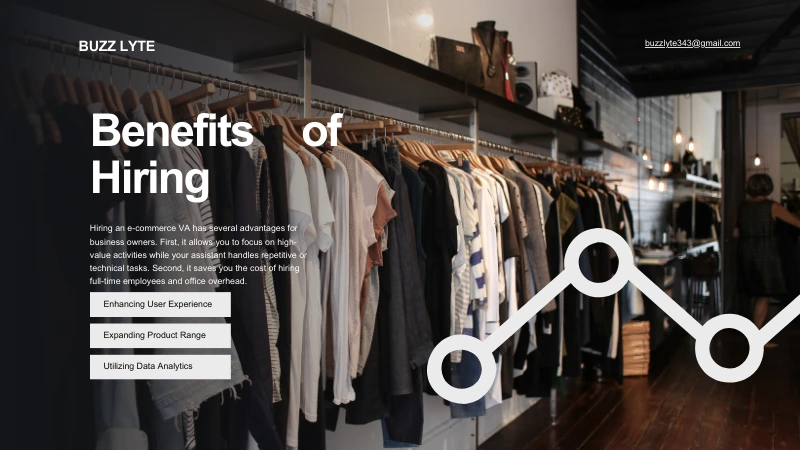
Hiring an e-commerce VA has several advantages for business owners. First, it allows you to focus on high-value activities while your assistant handles repetitive or technical tasks. Second, it saves you the cost of hiring full-time employees and office overhead.
VAs can manage everything from customer service virtual assistant duties to email marketing campaigns, ensuring your business runs efficiently. By delegating tasks to a professional, you improve workflow, maintain consistent operations, and enhance customer satisfaction. Companies like Gayle King have shown how leveraging talented assistants leads to better productivity and professional growth.
Types of Ecommerce Virtual Assistant Services
E-commerce VAs offer specialized services depending on your business needs. Some of the most common types include:
- Product Listing VA: Manages adding products to platforms like Shopify or Amazon
- Inventory Management Assistant: Keeps track of stock levels and logistics
- Customer Support Virtual Assistant: Handles inquiries, complaints, and refunds
- Social Media VA: Manages content creation, scheduling, and follower engagement
- Marketing Virtual Assistant: Oversees email campaigns, SEO, and ad management
- Content Writing VA: Writes product descriptions, blogs, and newsletters
- Graphic Design VA: Creates banners, social media graphics, and promotional materials
These specialized services allow entrepreneurs to delegate e-commerce tasks efficiently. Tasks an e-commerce virtual assistant can handle cover almost every aspect of online store operations, from backend management to customer-facing activities.
How Ecommerce Virtual Assistants Help Boost Sales
A well-trained e-commerce VA can directly impact your revenue. By ensuring that your product listings are optimized, inventory is up to date, and customer inquiries are handled promptly, they reduce friction in the buyer journey.
Additionally, VAs can execute marketing strategies such as email campaigns, social media promotions, and SEO content updates. This not only improves online visibility but also helps in using virtual assistants to boost e-commerce sales, resulting in higher conversion rates and repeat customers.
Skills to Look for in an Ecommerce Virtual Assistant
When hiring a VA, look for a combination of technical, administrative, and marketing skills. Some key competencies include:
- Proficiency in platforms like Shopify, WooCommerce, and Amazon
- Strong email management assistant and communication skills
- Knowledge of social media management and marketing strategies
- Basic graphic design or content creation abilities
- Familiarity with virtual assistant software tools and workflow automation
A VA with these skills becomes more than just support—they become strategic partners in your remote business assistant team.
How to Hire the Right Ecommerce Virtual Assistant
Finding the right VA requires a clear understanding of your business needs. Start by defining which tasks you want to outsource. Next, evaluate candidates through freelance VA websites like Upwork, Fiverr, or PeoplePerHour. Conduct interviews, provide test tasks, and check references to ensure you hire a reliable professional.
For guidance on starting and scaling your online business while hiring a VA, check out the Trade Business Guide.
Tools and Software Ecommerce VAs Commonly Use
E-commerce VAs rely on a variety of tools to optimize workflow:
- CRM and Project Management Tools: Trello, Asana, Zoho
- Automation Tools: Zapier, Mailchimp, Klaviyo
- Analytics Platforms: Google Analytics, Shopify reports
- Content and Graphic Tools: Canva, Photoshop, WordPress
Using these tools, VAs can streamline operations, manage tasks efficiently, and provide actionable insights. For deeper insights into how VAs leverage data, see Business Intelligence.
Pricing and Cost of Ecommerce Virtual Assistant Services
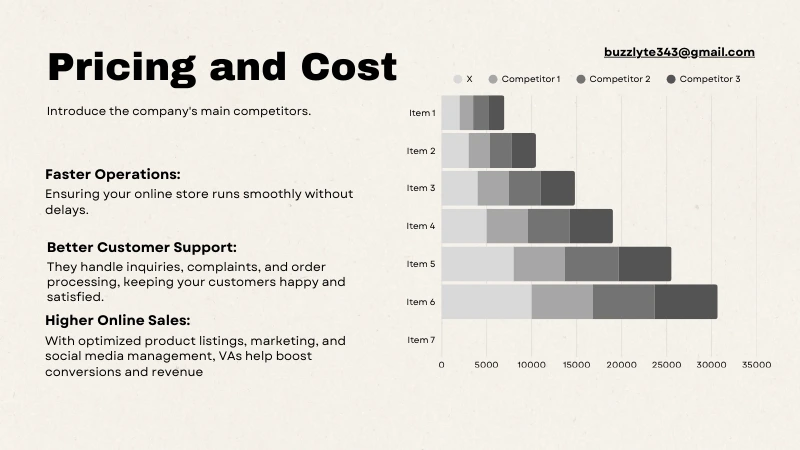
The cost of hiring an e-commerce VA varies based on expertise, location, and scope of tasks. Freelance VAs from India or the Philippines often offer competitive rates, while specialized VAs may charge higher fees.
Budgeting properly is key to maximizing ROI. For more insights on managing business costs, refer to Selling a Business.
Tips for Managing Your Ecommerce Virtual Assistant
To get the best results from your VA:
- Set clear expectations and communicate regularly
- Use virtual assistant software tools for task tracking
- Monitor performance and provide constructive feedback
- Encourage ongoing skill development for EA professional development programs
This ensures your VA remains productive, efficient, and aligned with your business goals.
Future Trends in Ecommerce Virtual Assistant Services
The field of e-commerce VAs is evolving rapidly. Key trends include:
- AI-Powered Virtual Assistant Tools: Assisting in research, drafting, and analytics
- Virtual Assistant Teams: Multi-timezone support and task specialization
- Outcome-Based Compensation: Aligning pay with results and impact
- Integration with Business Tools: CRM, automation, and reporting software
As more founders adopt strategic virtual support, leveraging these trends can give you a competitive edge. For examples of financial outcomes when using modern talent and tools, see Keith Andreen.
Frequently Asked Questions
Q1: Can one VA handle all e-commerce tasks?
While one VA can manage basic operations, specialized tasks like SEO, marketing, or graphic design often require expertise. Many businesses now opt for virtual assistant teams for efficiency.
Q2: How do I measure my VA’s performance?
Use KPIs such as order accuracy, response time, social media engagement, and campaign results. Monitoring ensures your VA contributes effectively to business growth.
Q3: Are e-commerce VAs cost-effective?
Yes. Hiring a remote VA saves on office space, training costs, and full-time salaries while providing time-saving and cost-effective virtual assistant services.
Q4: Which platforms can VAs manage?
E-commerce VAs can work on Shopify, Amazon, WooCommerce, Wix, Squarespace, and more. They also handle remote support for e-commerce businesses across multiple platforms.