

When it comes to modern men’s hairstyles, two of the most talked-about cuts are the taper and the fade. Both are staples in barber shops everywhere, offering versatile looks that suit everything from professional settings to trendy street style. At first glance, these cuts may seem almost identical, with hair gradually shortening on the sides and back, but there are subtle differences that make each style unique. Understanding these differences can help you choose the haircut that complements your face shape, hair type, and personal style.
Whether you want a classic look for the office or a bold, edgy finish for weekend outings, knowing the distinction between a taper and a fade ensures your barber knows exactly what you want.
What is a Taper?
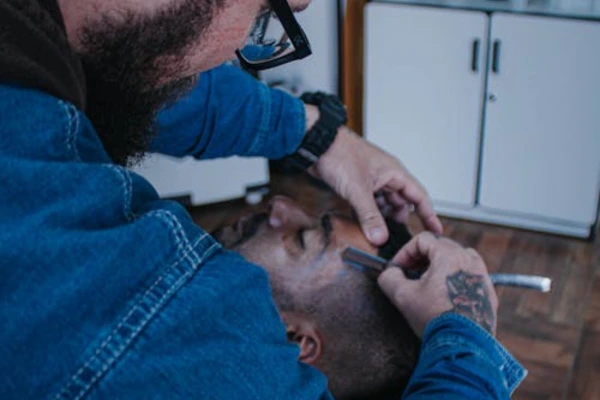
A taper, sometimes called a taper fade, is a men’s haircut that gradually shortens the hair on the sides and back while leaving some length at the bottom. This creates a smooth, subtle transition that delivers a polished and professional appearance. Unlike a fade, a taper keeps some hair at the neckline, giving a softer finish that works well in both formal and casual settings.
Tapers are versatile and can be customized based on how high or low the taper starts. A low taper begins just above the ears, giving a neat, understated look perfect for professionals or anyone seeking a conservative style. A high taper starts closer to the top of the head, offering more contrast and a sharper, modern edge. Meanwhile, a mid taper strikes a balance between the two, providing a flexible style that suits most face shapes.
Popular taper styles include the classic taper, the Ivy League taper, and the tapered undercut. The beauty of a taper haircut lies in its subtle transition, which ensures a clean, stylish finish without requiring excessive maintenance. This makes it ideal for men who want a refined look that remains versatile across different occasions.
What is a Fade?
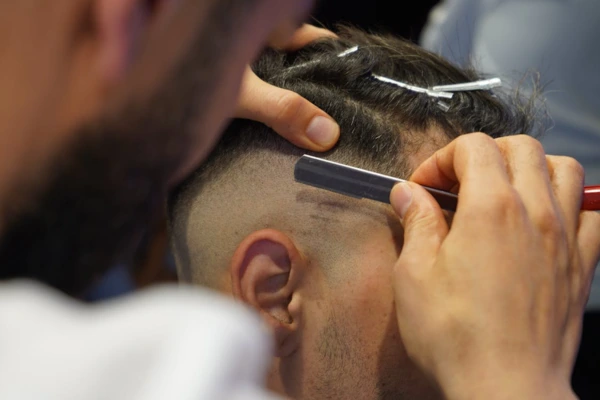
A fade is a more dramatic haircut that involves a sharp hair length transition from the top of the head down to the sides and back. The hair blends seamlessly into the skin at the bottom, creating a sleek, high-contrast finish that gives an edgy and contemporary vibe. Unlike a taper, fades are bold and trend-forward, making them a favorite among younger men or those seeking a statement style.
There are several types of fades to choose from: low fade, mid fade, high fade, and skin fade, each offering a different level of contrast and impact. Custom variations such as the drop fade, burst fade, and temple (temp) fade allow for unique shapes and artistic expression.
Fades require slightly more maintenance than tapers because the sharp transitions grow out quickly and can lose their polished appearance. However, the result is a stylish finish that elevates any haircut. The fade haircut pairs well with a variety of top styles—from short crew cuts to textured hairstyles—making it a highly versatile choice for men looking to combine fashion and functionality.
Taper vs Fade: Key Differences
While tapers and fades share some similarities, their differences are clear when you look at hair length transition and overall style.
- Hair Length Transition: Tapers blend gradually from longer hair on top to shorter hair at the sides and back. Fades, on the other hand, create a sharp transition that often blends the hair into the skin.
- Overall Look: Tapers are subtle and professional, offering a classic look that works in almost any setting. Fades are bold and trendy, perfect for making a statement.
- Maintenance & Upkeep: Tapers require fewer visits to the barber since the natural growth maintains the polished appearance. Fades need regular trims every 2–3 weeks to keep the clean, high-contrast effect.
- Best Face Shapes & Hair Types: Fades are ideal for men with textured or thick hair, emphasizing volume and structure. Tapers are more versatile and suit almost all hair types and face shapes, offering a soft, elegant transition.
Even among low variations, a low fade and a low taper may appear similar, but the difference is subtle: the fade exposes more scalp, while the taper maintains length and a blended haircut. This distinction ensures you achieve either a professional, understated appearance or a modern, edgy style, depending on your preference.
Types of Tapers and Fades
5.1 Taper Styles
- Classic Taper: Offers a refined, neat appearance with a gradual transition from top to sides.
- Ivy League Taper: Slightly longer on top, perfect for styling side parts and professional looks.
- Tapered Undercut: Combines a soft taper with an undercut for a modern, fashionable twist.
5.2 Fade Styles
- Low Fade: Begins above the ears, blending gently into the skin for a subtle contrast.
- Mid Fade: Provides a balanced look with noticeable contrast but still versatile.
- High Fade: Starts near the temples, creating a bold, statement-making appearance.
- Skin Fade: Blends completely into the skin for a sharp, clean-cut finish.
Additional creative variations include the drop fade, which curves around the ear; the burst fade, creating a semi-circular design behind the ear; and the temple fade, focusing on blending near the front and temple area. Each type allows men to customize their haircut while maintaining a polished, stylish finish.
How to Choose the Right Style
Choosing between a taper and fade depends on three key factors: hair type, desired contrast, and maintenance preferences.
- Hair Type & Texture: Fades highlight thick or textured hair, providing structure and definition. Tapers work well with all hair types, offering a subtle transition for a more classic appearance.
- Face Shape: Fades can elongate rounder faces by drawing attention upward, while tapers suit angular or oval faces, providing balance without harsh contrast.
- Lifestyle & Maintenance: Fades need regular trims to keep their sharp, defined look, whereas tapers grow out gradually and are easier to maintain with fewer visits to the barber
Also, consider your personal style and occasion. If you need a professional haircut for work or formal events, a taper or low taper fade may be ideal. For casual, trendy, or edgy appearances, a high fade or creative variation works best. Discuss your preferences during a haircut consultation to ensure the result matches your vision.
Styling Tips for Taper and Fade
Maintaining a fresh taper haircut or fade haircut requires a few essential styling tips:
- Products: Use pomade, wax, or gel depending on hair type. Thicker hair benefits from strong hold products, while fine hair works best with lighter styling solutions.
- Daily Routine: Comb or brush hair after washing, apply product, and style according to your preference. A blended haircut looks best with minimal fuss.
- Maintenance: Schedule regular trims every 2–4 weeks to preserve the sharp transition of a fade or the smooth flow of a taper.
Also, consider pairing the haircut with suitable clothing. A taper complements classic suits and professional looks, whereas fades enhance casual or edgy outfits. This ensures your hairstyle aligns with your overall fashion-forward appearance.
Common Mistakes to Avoid
Over-fading or under-tapering: Losing the subtlety of a taper or the contrast of a fade reduces the intended effect.
- Ignoring hair type or face shape: Not considering these factors can result in an unflattering style.
- Neglecting maintenance: Fades grow out quickly; skipping trims can make the haircut appear messy.
- Incorrect styling: Using the wrong products or over-styling can damage hair texture or reduce the sleek finish.
By avoiding these mistakes, you can ensure your taper or fade remains polished, trendy, and easy to manage.
Fashion Forward Looks with Taper and Fade
Pairing a taper fade or high fade with outfits enhances your overall style. For instance:
- Professional Looks: A classic taper works beautifully with suits, blazers, or crisp shirts, providing a sophisticated finish.
- Casual & Street Style: Fades pair well with hoodies, jackets, and casual sneakers for a bold, modern vibe.
- Celebrity Inspiration: Many celebrities sport variations of tapers and fades, influencing trends worldwide.
Accessorize subtly—glasses, watches, or hair accessories—to complement the haircut without overpowering it. Experiment with hairstyle variations, such as combining a taper fade with a pompadour or textured top, to achieve a distinctive, fashion-forward finish that highlights both your personality and your barber’s skill.
Frequently Asked Questions
- Can women get a taper or fade?
Yes, taper and fade haircuts can be adapted for women’s hairstyles, offering edgy or professional looks depending on length and styling. - How often should I trim a fade?
Every 2–3 weeks to maintain the sharp contrast and blended haircut appearance. - Which haircut suits round faces best?
High or mid fades elongate the face, while low tapers maintain balance without creating harsh angles. - Can curls work with fades?
Absolutely. Fades can highlight natural curls or waves while keeping the sides neat. - Are tapers easier to maintain than fades?
Yes. Tapers grow out naturally and require fewer trims, while fades need more frequent barber visits. - Can I DIY a taper or fade at home?
It’s possible but challenging. Professional barbers have the skill to create sharp transitions and clean finishes. - What products keep a fade looking sharp?
Pomade, wax, or light gel depending on hair type and texture. Regular maintenance ensures a polished, stylish finish.